Saline Infusion Sonography (SIS)
Accurate Uterine Health Check Without The Trauma

"*" indicates required fields
"*" indicates required fields
Accurate Uterine Health Check Without The Trauma

Saline Infusion Sonography (SIS) is a minimally invasive diagnostic imaging test that is used to look for abnormalities in the lining of the uterus as well as to assess the patency of the fallopian tubes. It is an alternative to other investigations, such as laparoscopy and hysterosalpingography (HSG), for assessing tubal patency.
SIS is performed using a transvaginal ultrasound probe while a small amount of saline (sterile water) is injected into the uterus via a thin catheter. This test can be used to detect abnormalities such as polyps, fibroids, or structural anomalies.
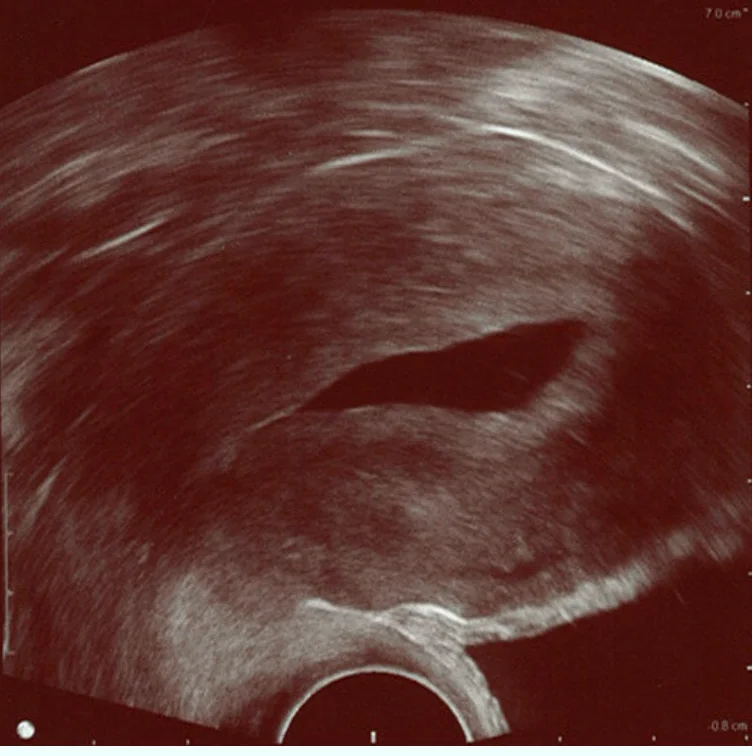
At KL Fertility Centre, our team is highly experienced in performing SIS, ensuring your comfort and safety while providing reliable diagnostic information.
Saline Infusion Sonography is usually performed in an outpatient setting and takes about 15-30minutes.
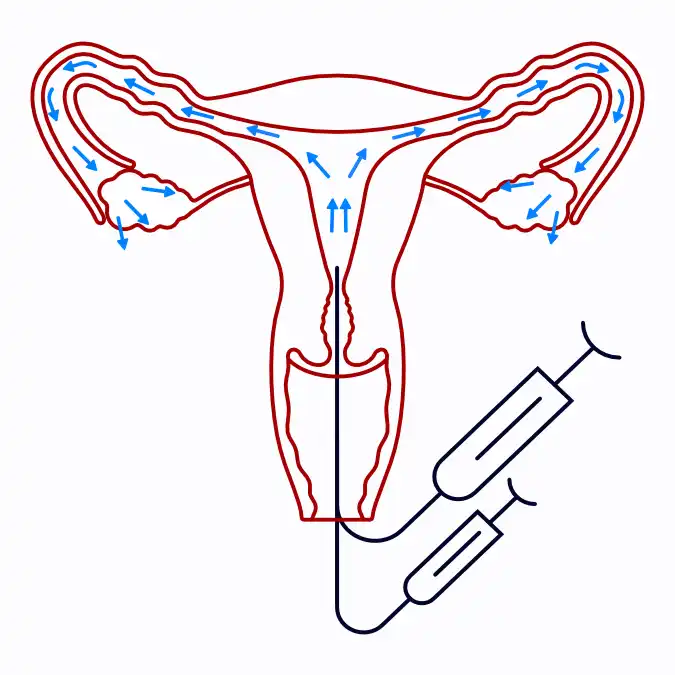
Patent Fallopian Tube
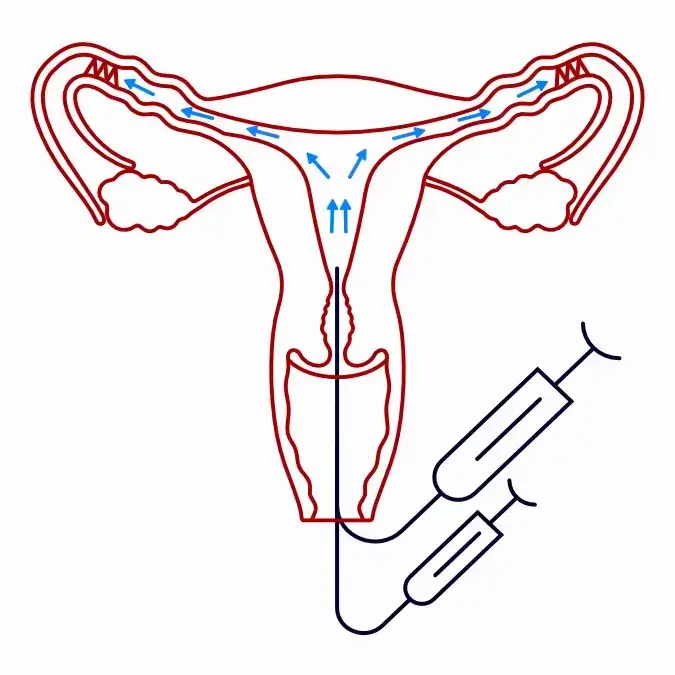
Blocked Fallopian Tube
If you have questions about SIS or wish to schedule your test, please reach us at
SIS (Saline Infusion Sonography) and Hysterosalpingography (HSG) are both used to assess the uterine cavity and fallopian tubes, though the two procedures differ in method. SIS uses sterile saline and a transvaginal ultrasound to produce real-time images. HSG, in contrast, uses a contrast dye and X-ray imaging. A key advantage of SIS is its lack of radiation exposure, making it the preferred diagnostic option for many patients.
Most women report mild, brief cramping similar to a period. To ensure your comfort, we recommend taking a simple painkiller 30-60 minutes before the procedure.
The entire appointment takes about 15-30 minutes. The actual imaging portion of the SIS test is very quick, often completed in just a few minutes.
SIS is best performed after menstruation has ended and before ovulation begins, ideally between days 5 to 10 of your menstrual cycle. A test carried out at this stage ensures the uterine lining is thin enough for clear imaging and also rules out the possibility of an existing pregnancy.
A Saline Infusion Sonography can help detect a range of uterine and tubal abnormalities, including:
You will receive your results immediately. SIS uses real-time ultrasound imaging, which allows your fertility specialist to review and discuss the findings with you right after the procedure.
Yes, you can return to your usual daily activities straight away. You may experience some mild cramping or light spotting, so we recommend using a sanitary pad for the rest of the day as a precaution.
SIS is a very safe, low-risk procedure. The most common side effects are temporary and mild, such as cramping or light spotting. There is a small risk of infection, which is minimised by prescribing preventative antibiotics when necessary. Our specialists will discuss all safety steps with you beforehand to ensure you are fully informed and comfortable.