Uterine Abnormalities
Common Uterine Abnormalities and Their Impact on Fertility

"*" indicates required fields
"*" indicates required fields
Common Uterine Abnormalities and Their Impact on Fertility
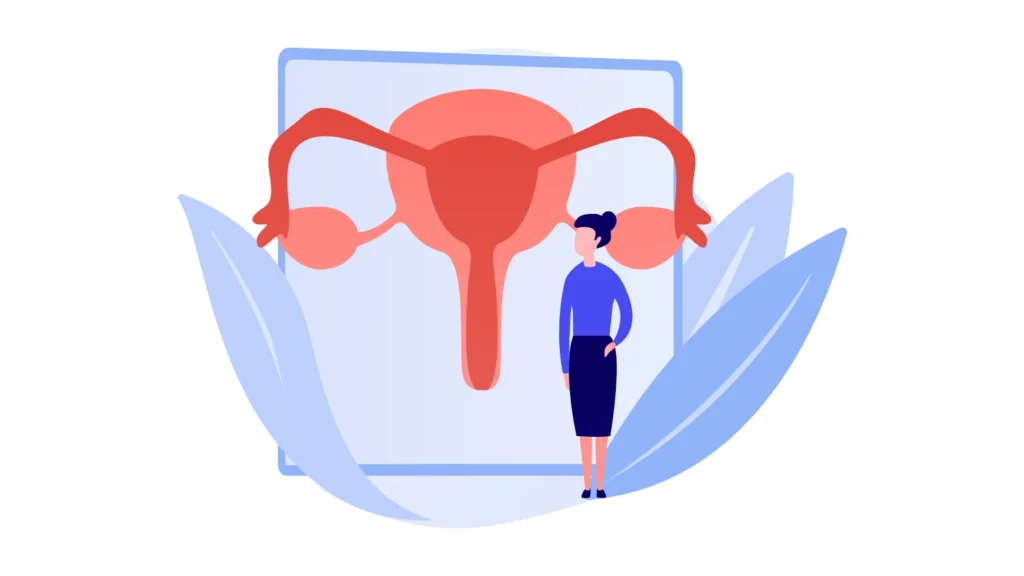
Uterine abnormalities are structural or functional issues involving the uterus, also known as the womb. These can be congenital (present from birth) or acquired (develop over time due to conditions like fibroids or scarring).
While some uterine abnormalities cause no symptoms at all, others can interfere with menstruation, fertility, or pregnancy. Early diagnosis and appropriate treatment are essential for women seeking fertility solutions in Malaysia.
Uterine abnormalities are broadly categorised into two main types:
Congenital uterine anomalies, also known as Müllerian Anomalies, are irregularities of the uterus that are present at birth. They often result from problems with the formation of reproductive organs while the person was still a growing foetus in her mother’s womb.
These conditions are usually structural and are not dangerous, however they can affect fertility or can cause complications during pregnancy. Common types include:
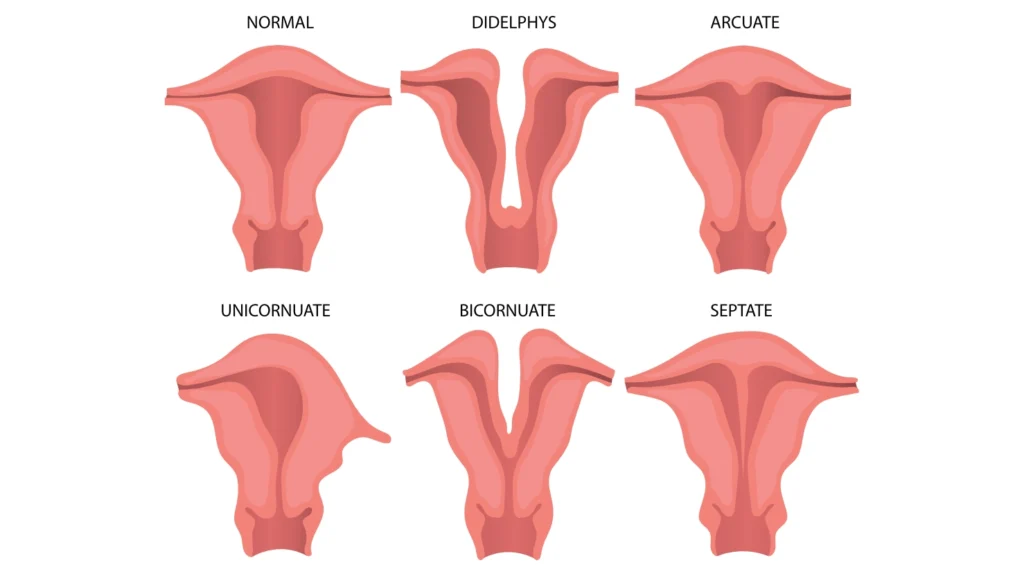
Each condition affects the shape or size of the uterus, sometimes leading to recurrent pregnancy loss or challenges with embryo implantation.
Uterine abnormalities that develop later in life, often due to conditions or events such as infections, surgery, or hormonal imbalances, are known as acquired uterine abnormalities.
These are some common conditions in this category:
These are non-cancerous growths of muscle tissue that develop within or on the uterine wall. Symptoms may include heavy or prolonged menstrual bleeding, pelvic pain, or difficulty conceiving.
These are benign growths of the uterine lining (endometrium) that can interfere with implantation or cause abnormal bleeding.
This is scar tissue inside the uterine cavity that has developed following an injury or infection of the uterus lining. It can lead to irregular or absent periods and infertility.
This is a condition where tissues that are similar to the uterus lining is found in the muscular wall of the uterus. These tissues will also grow and bleed during the menstrual cycle, and often cause painful and heavy periods.
This is a condition where there is thickening of the endometrial lining, often due to hormonal imbalances. In some cases, it can increase the risk of endometrial cancer.
KL Fertility Centre offers a full spectrum of fertility treatments and uterine abnormality management, with outcomes that meet or exceed international standards.
Get in touch with our team for personalised assistance and enquiries.